
-

The seventeenth episode of Stories from the Black Kitchen. In today’s episode we discuss John Dowland’s triptych from Robert Dowland’s Musicall Banquet (1610). Farre from Triumphing CourtLady if You so Spite MeIn Darknesse Let Me Dwell Songs that are inextricably linked with the figure of Sir Henry Lee. The Schoole of NightMaria Skiba – sopranoFrank
-

The sixteenth episode of Stories from the Black Kitchen. In today’s episode we discuss song no V. from John Dowland’s Second Booke of Songs or Ayres (1600). Mourne, mourne, day is with darknesse fled It is a song wherein day is made night, baleful vapours enwreath the earth, and all is become other than it
-
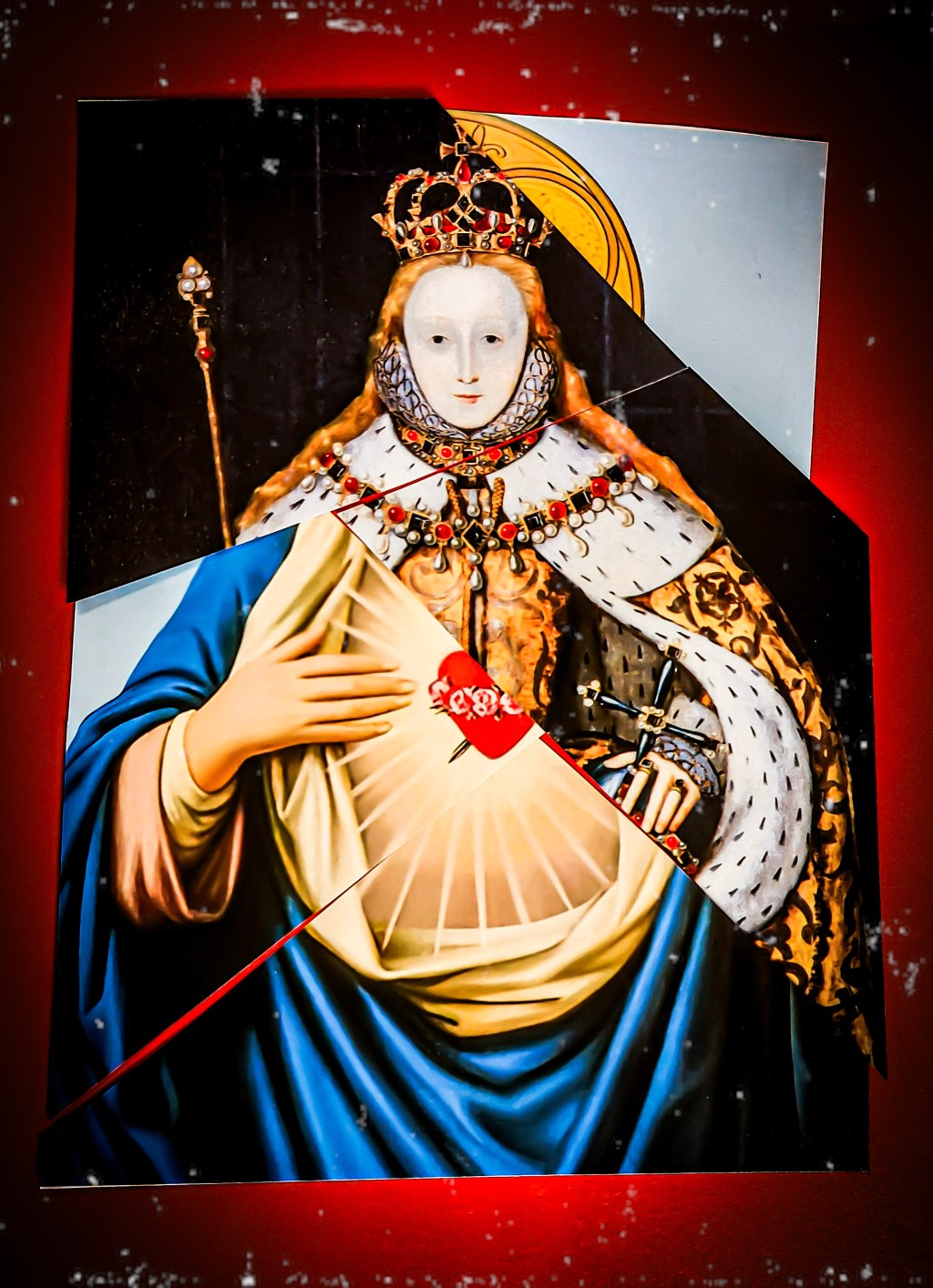
The fifteenth episode of Stories from the Black Kitchen. In today’s episode we discuss three songs from John Dowland’s Second Booke of Songs (1600):Time’s Eldest Sonne, Then Sit Thee Downe and When Others Sings This work forms a triptych, and we shall seek to determine the narrative that underpins its three constituent songs. Time’s Eldest
-
The fourteenth episode of Stories from the Black Kitchen. In today’s episode we discuss a song from John Dowland’s First Booke of Songs (1597): Deare, if you change, I’ll never chuse again… What initially presents itself as a conventional love song is, upon closer examination, revealed to contain a veiled depiction of a constant, immutable,
-

The 13th episode of Stories from the Black Kitchen. In this episode we talk about Robert Dowland’s collection of songs from 1610 – A Musicall Banquet and particularly about a song to the text of sir Philip Sidney – Goe My Flocke, go get you hence. The poem comes from Sidney’s Astrophel and Stella, and
-
In this episode of Stories from the Black Kitchen we will discuss the story behind a song from John Dowland’s Second Booke of Songs (1600) O sweet woods, the delight of solitarinesse, in which the Earl of Essex is in his ‘Wanstead Mood’. O sweet woods, the delight of solitarinesse from:The Second Booke of Songs
-
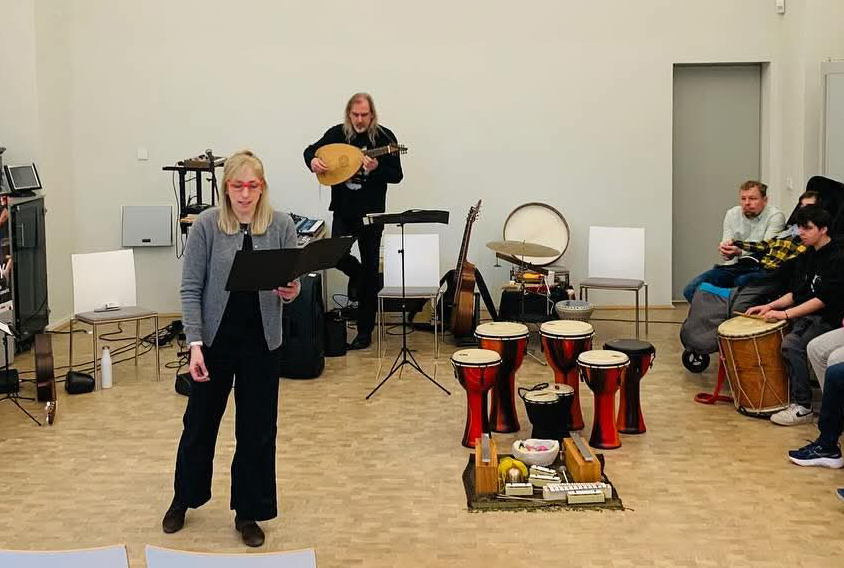
The year 2025 marks the 500th anniversary of the city’s alignment with the Reformation.The Reformation brought about profound transformations in ecclesiastical life, including significant developments in church music. Among the most notable was the introduction of vernacular languages into liturgical practice and sacred song.In collaboration with the Upper Lusatian Library of Sciences and the Silesian
-
The eleventh episode of Stories from the Black Kitchen. In this episode we talk about a paratext that can be found in John Dowland’s Second Booke of Songs or Ayres (1600), and about the power of musical magic. What does magic have to do with the modern world? The song that follows is written to
-
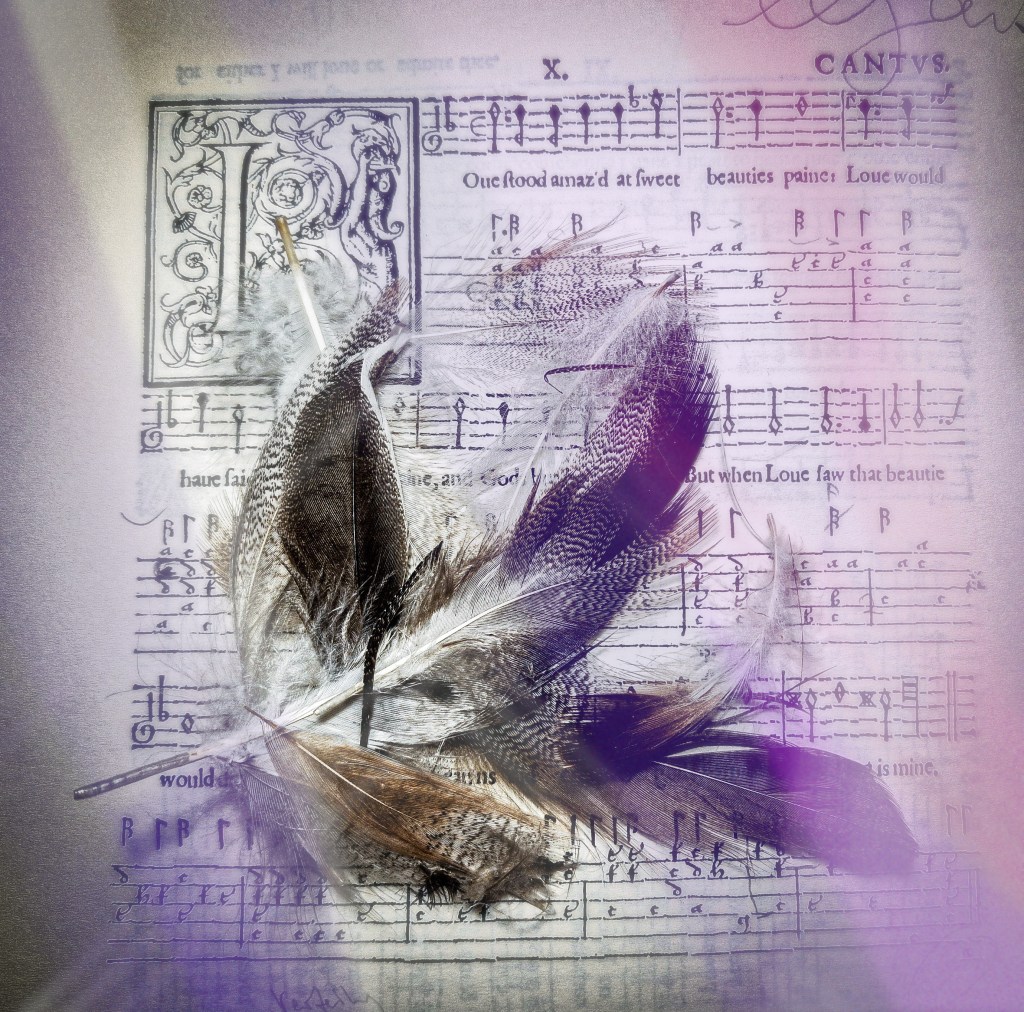
The 10th episode of Stories from the Black Kitchen. Today we discuss a transformation of the myth of Icarus that happens in song no. X from John Dowland’s Third and Last Booke of Songs (1603) JOHN DOWLANDLove stood amaz’d at sweet beauties paine from:The Third and Last Booke of Songs or Aires, 1603 The Schoole
-
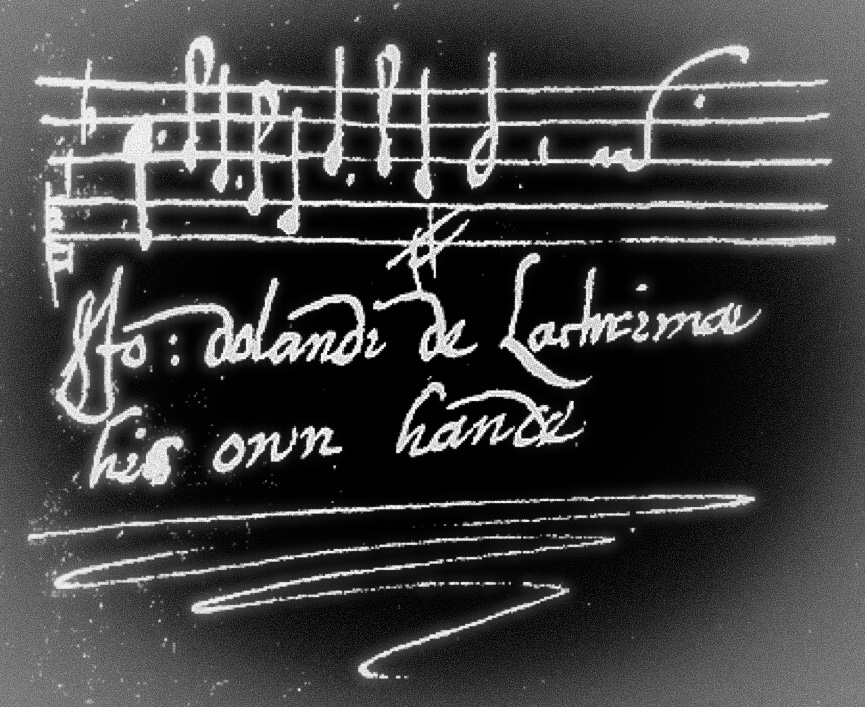
The ninth episode of Stories from the Black Kitchen. In this episode we talk about the song pair from John Dowland’s Second Booke of Songs or Ayres (1600) “[…] Tomorrow the Earl’s household being 160 [[at] court] are dispersed, and every man to seek a new fortune. Some few are retained to attend him, where

 The Schoole of Night